

The most important thing to do when you practice
What is the secret of successful practise? Don't play the wrong notes! Does that sound simplistic? Bear with me.
2026
What is the secret of successful practise? Don't play the wrong notes! Does that sound simplistic? Bear with me.
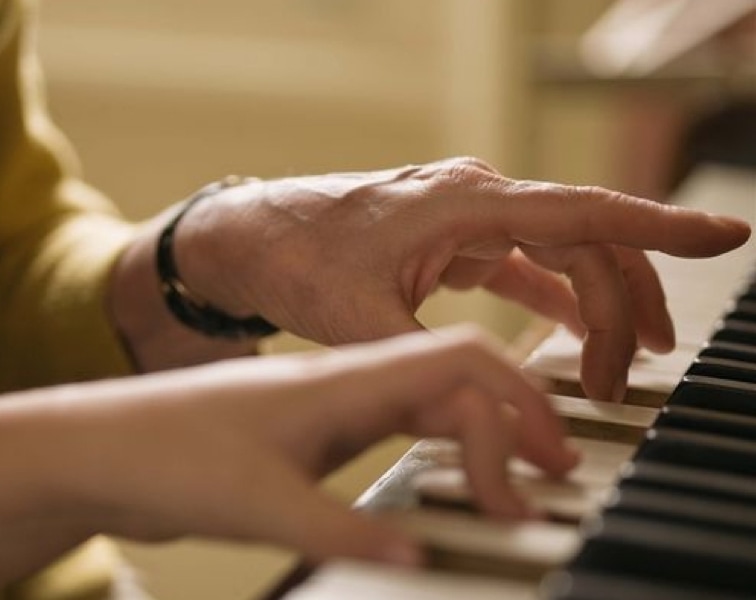
I constantly re-iterate "Pitch, Rhythm, Fingering" when students start to learn a new piece: it helps their learning. Pitch and Rhythm alone are not enough.

I wrote some piano music recently, and had my students perform it in a concert. Gosh! I was much more enthusiastic about drawing their attention to the details of the score than I usually am.

Over the years, I have used many different piano tutor books with students of all ages as they start learning the piano. There are some books that I come back to again and again, because I think they are creative, well written, and structured.

Some pianists, (many well-known concert artists, in fact) find playing from memory easy, and some find it very difficult. The pointers in this article, from Pianist magazine, may help.

This book for beginners at the piano is a breath of fresh air. It is fun, amusing, and unlike any other beginner tutor I know of.

Which exam board should aspiring musicians follow? Which has the best syllabus? and which has the best structure?

"I couldn't practise, because there wasn't a piano where we were on holiday." My response would be "And your point is?". I get mystified looks. If they had at least taken their sheet music, they would have been able to do something.
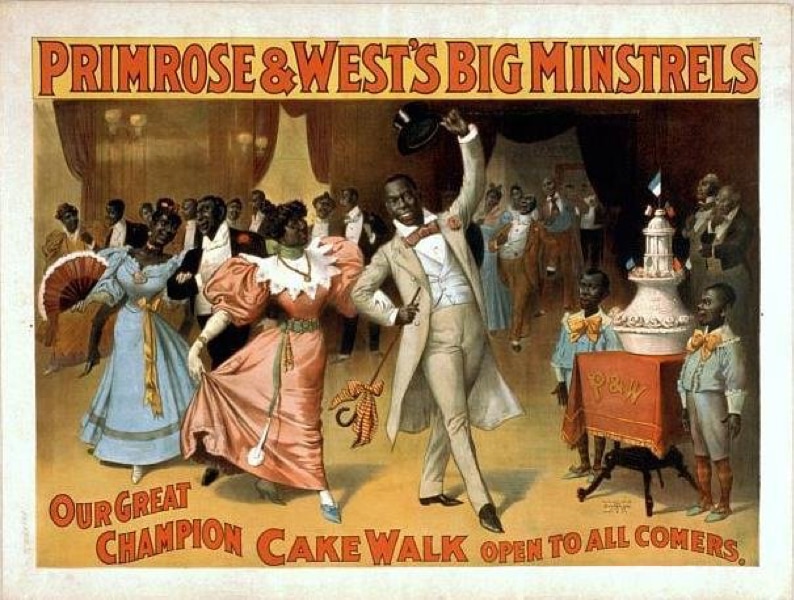
What is to be done with Debussy's Le Petit Negre? It is a good piece, but it is unusable with its current title.

There are too many scales in ABRSM piano exams: far more than for other instruments - and I have sat across the table from the chief examiner and told her so. Why are there just scales and arpeggios and not technical exercises, as for other instruments?
If you are an A-level (or prospective A-level student), who needs to improve their keyboard skills, then here is a possible syllabus that I would suggest, with resources for the first year of lessons.
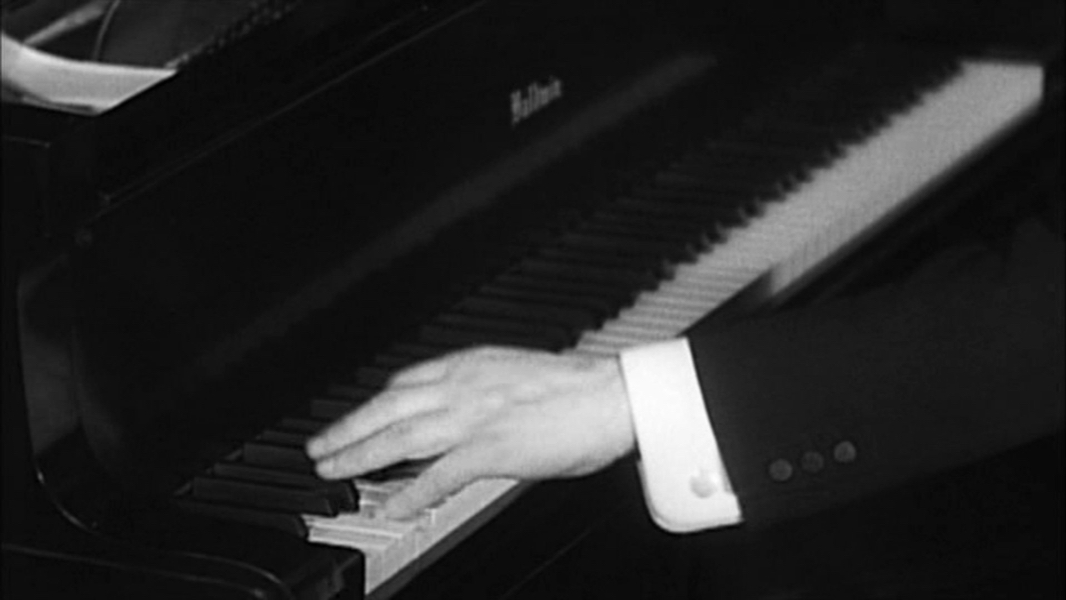
When learning a new piece of piano music, start with the Left Hand. Why? Because it is harder. But we can all take inspiration from the pianist Paul Wittgenstein, who used only his left arm and hand in concerts.
We use cookies for the best online experience. By using this website you agree to the cookie policy.


