How to Sight-Read at the piano
This page is a note about how I teach sight-reading. I've posted it as a matter of public service. Usual disclaimers about no responsibility taken if it doesn't help you, or makes matters worse!
I realise that many instrumentalists find sight-reading difficult. However, they should spare a thought for singers. Except for those who have perfect pitch, singing at sight is a lot harder than playing at sight on an instrument.
Which exam board should aspiring musicians follow? Which has the best syllabus? and which has the best structure?
The ABRSM requires a traditional unaccompanied song at all grades. Here are some thoughts: more to follow, but for now: Narrative, Range, Difficulty - and where do you find folk songs anyway?
If you are an A-level (or prospective A-level student), who needs to improve their keyboard skills, then here is a possible syllabus that I would suggest, with resources for the first year of lessons.
"I couldn't practise, because there wasn't a piano where we were on holiday." My response would be "And your point is?". I get mystified looks. If they had at least taken their sheet music, they would have been able to do something.
You might be asking yourself why I would need to post a translation of a very famous song. Well, if you look this song up in an CD booklet or book of translations, almost all of them give the Shakespeare original. But that isn't right.
Many people struggle with sight-reading at the piano. But not all for the same reason or reasons. Here are some common problems, together with my solutions to them.
Please, people! If you go to a wedding ceremony at which live musicians are performing, please have the courtesy not to talk over them.
There are too many scales in ABRSM piano exams: far more than for other instruments - and I have sat across the table from the chief examiner and told her so. Why are there just scales and arpeggios and not technical exercises, as for other instruments?
Sir, The wider benefits of music education are not limited to school age (letter, May 31). Some years ago I was delighted but surprised to discover that the music department of which I was head had the best record for employment within the university.
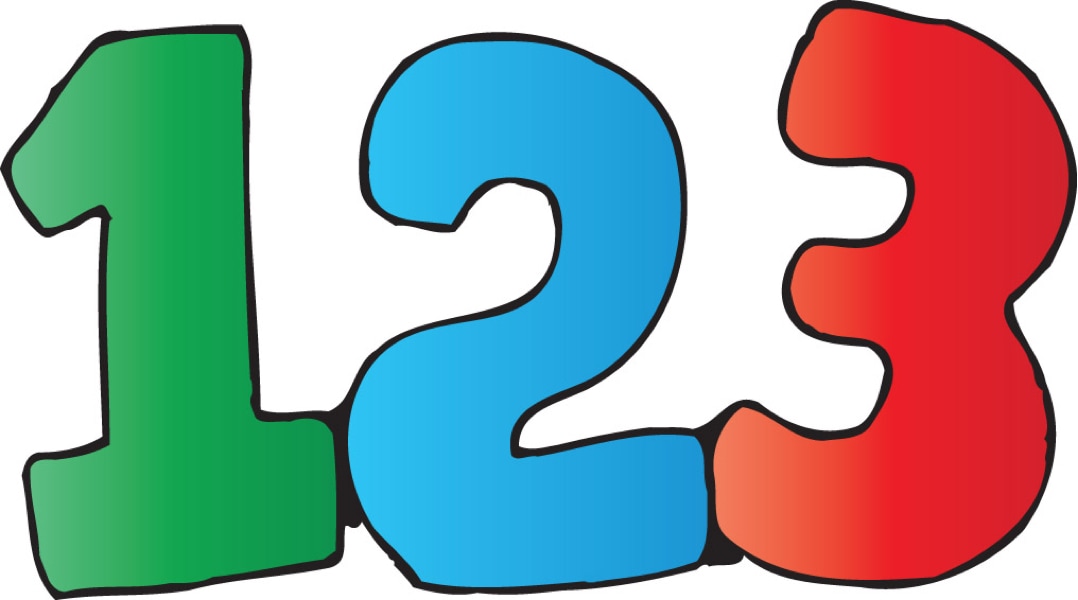
What are benefits of scale practice, and what are the best ways to practise scales? The Aristocats knew: "Every truly cultured music student knows,
You must learn your scales and your arpeggios"
We use cookies for the best online experience. By using this website you agree to the cookie policy.