The English Soldier?
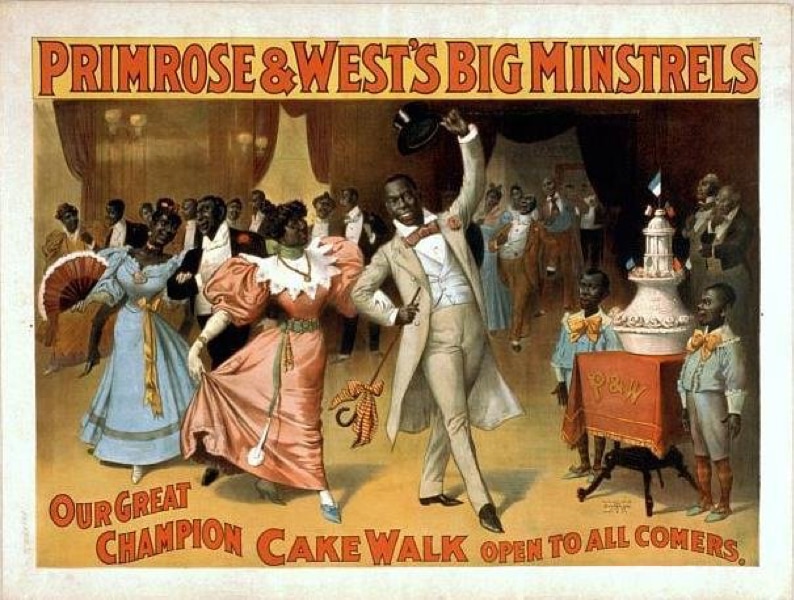
What is to be done with Debussy's Le Petit Negre? It is a good piece, but it is unusable with its current title.
2026
What is to be done with Debussy's Le Petit Negre? It is a good piece, but it is unusable with its current title.
Some pianists, (many well-known concert artists, in fact) find playing from memory easy, and some find it very difficult. The pointers in this article, from Pianist magazine, may help.
You might be asking yourself why I would need to post a translation of a very famous song. Well, if you look this song up in an CD booklet or book of translations, almost all of them give the Shakespeare original. But that isn't right.
What is the secret of successful practise? Don't play the wrong notes! Does that sound simplistic? Bear with me.
I have been delivering a crash course in ABRSM Grade 5 Music Theory this week, for some nice people in Stamford (UK). They called their course Music Theory Fast, and whilst I cavilled, of course, at the grammar, I liked the double meaning of "Fast": we did it quick, or rather quickly, and hopefully it will stick fast.
ABRSM Aural Tests assess students' listening skills by requiring discussion of a piece of music which is played to the student on the piano. In my experience, students are sometimes disadvantaged by a lack of vocabulary in discussing the music.
This is a check list for sight-singing in ABRSM Singing Grades 1 to 5, and for general aural tests in Grades 6 to 8 (tests 6b, 7b and 8b).
You want to practise for your exam. You take out the CD from the envelope at the back of the book, but horror of horrors, it goes at the speed of light, and you can't keep up.
I was depping on the organ the other day in a normal parish church near here. It was communion, and the choir was trying to sing And Didst Thou Travel Light by Richard Shephard under my direction from the piano.
I recently came across a comment by Richard Egarr of the AAM, in an interview for the Cambridge Alumnus Magazine. Does anyone else do this? Ban pencils in rehearsals?
I constantly re-iterate "Pitch, Rhythm, Fingering" when students start to learn a new piece: it helps their learning. Pitch and Rhythm alone are not enough.
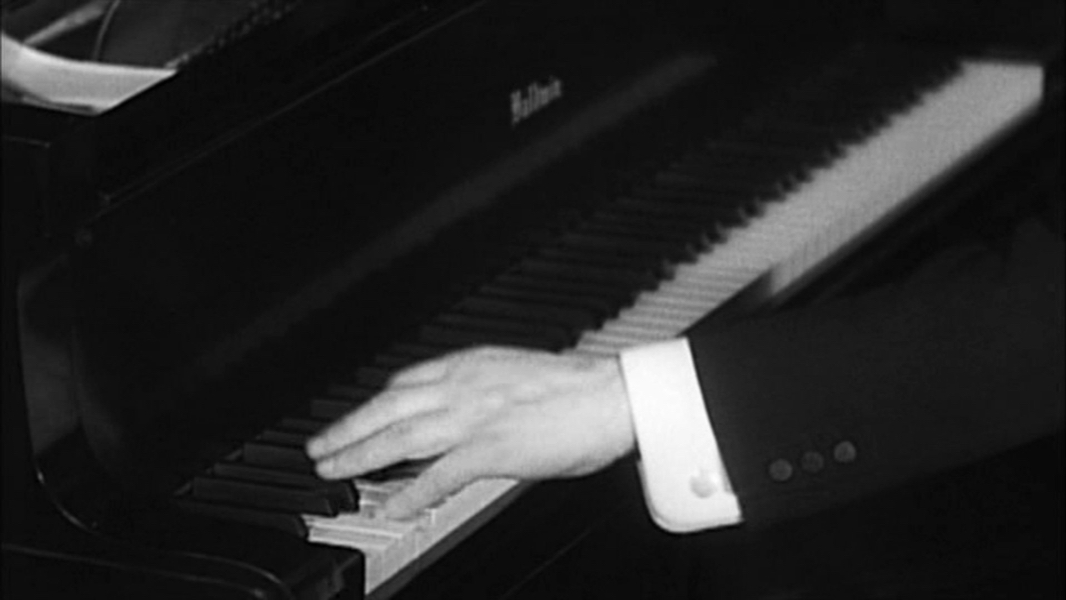
When learning a new piece of piano music, start with the Left Hand. Why? Because it is harder. But we can all take inspiration from the pianist Paul Wittgenstein, who used only his left arm and hand in concerts.
We use cookies for the best online experience. By using this website you agree to the cookie policy.